Direct Casting vs. Continuous Casting: Understanding the Key Differences
In the field of metal processing and jewelry manufacturing, two major casting methods are widely applied: direct casting and continuous casting. Both processes play crucial roles in shaping precious metals such as gold, silver, copper, and their alloys, but they differ in principles, applications, and advantages.
What is Direct Casting?
Principle:
Direct casting, also known as investment casting or vacuum casting, is a process where molten metal is poured into a mold cavity that contains the negative shape of the desired product. After cooling and solidification, the mold is removed to reveal the final cast object. This method often uses wax models, gypsum molds, and vacuum conditions to ensure fine detail and surface quality.
Applications:
- Jewelry manufacturing (rings, pendants, bracelets, and detailed ornaments)
- Craft and art pieces requiring fine patterns
- Medical and dental prosthetics
- Precision engineering components
Advantages of Direct Casting:
- Excellent for complex, intricate designs with high detail
- Produces smooth surfaces, reducing post-processing
- Flexible for small to medium batch production
- Suitable for custom, unique, or one-off designs
What is Continuous Casting?
Principle:
Continuous casting is a modern metallurgical process where molten metal is poured into a water-cooled mold (crystallizer). The metal solidifies as it moves downward or horizontally, forming a continuous length of bar, sheet, tube, or strip. The process operates without interruption, making it highly efficient for industrial-scale production.
Applications:
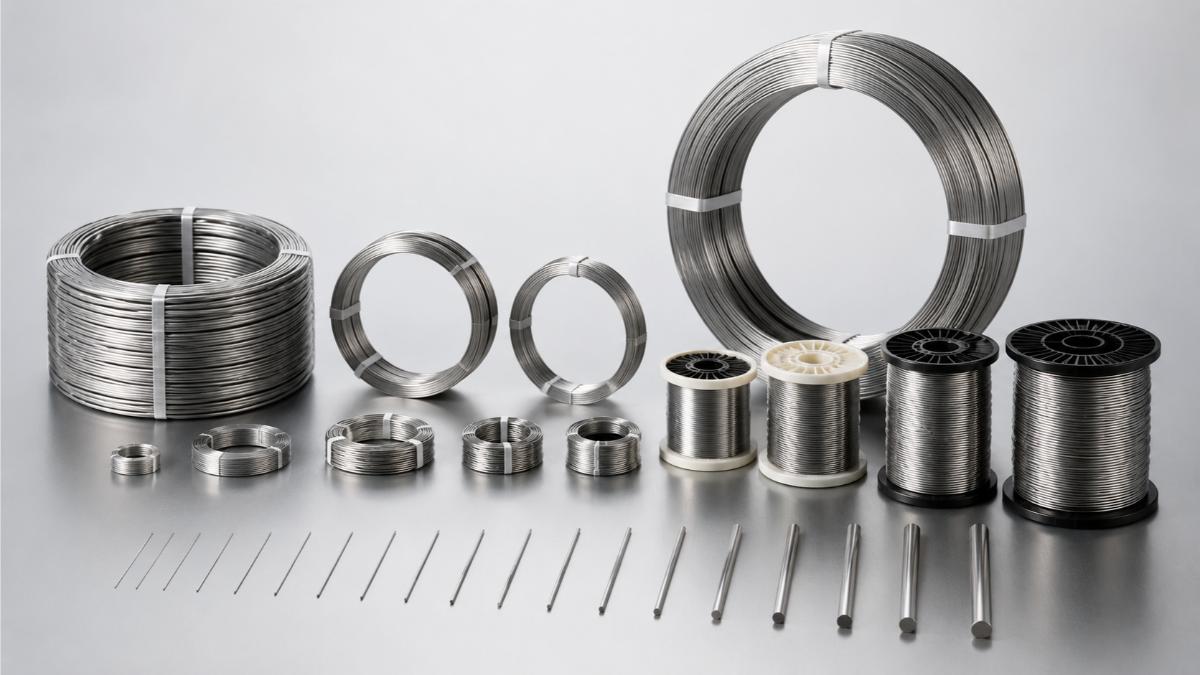
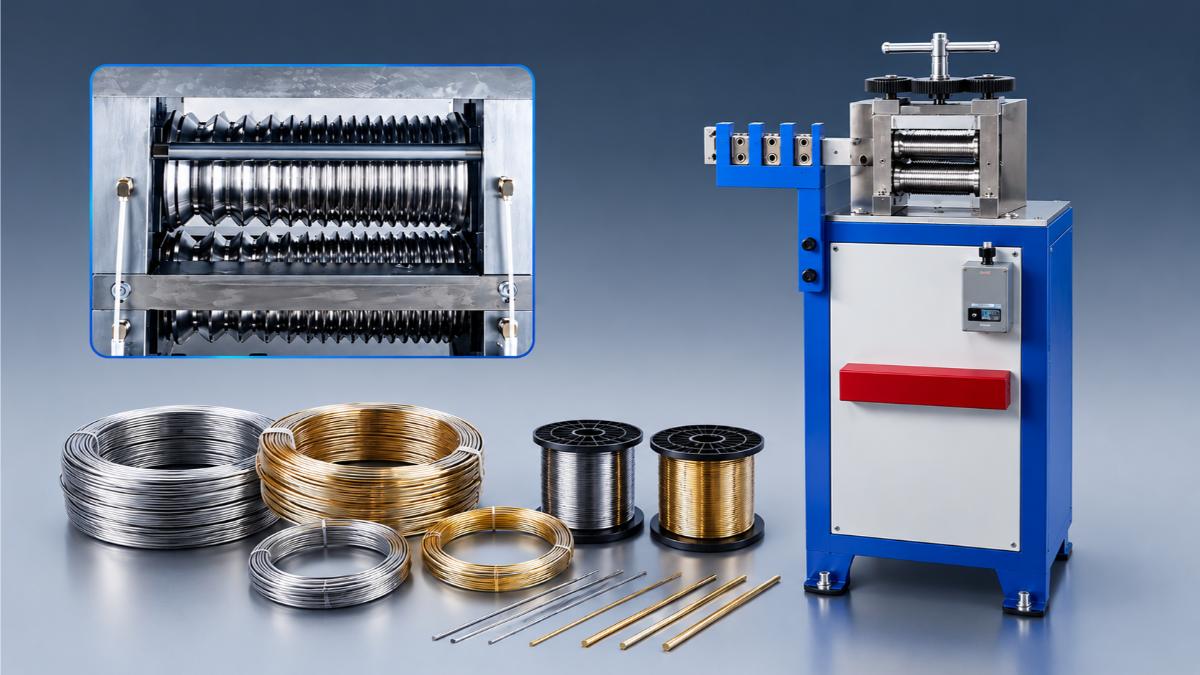
- Jewelry raw material production (metal strips, wires, rods, and plates)
- Large-scale industrial manufacturing of steel, copper, and aluminum products
- Foundries and refineries producing semi-finished stock for rolling or wire drawing
Advantages of Continuous Casting:
- High efficiency with uninterrupted production
- Produces uniform quality and precise dimensions
- Minimizes metal waste and reduces production costs
- Ideal for bulk production of semi-finished raw materials
- Stable process with reduced porosity and segregation
Direct Casting vs. Continuous Casting – A Comparison
| Aspect | Direct Casting | Continuous Casting |
| Principle | Pour molten metal into a mold, solidify into a single object | Continuous solidification through a cooled mold into bars, sheets, or wires |
| Applications | Jewelry, art, precision parts | Raw materials for rolling, wire drawing, mass production |
| Advantages | Complex designs, high surface quality, flexibility | High output, uniformity, cost efficiency, industrial scale |
| Best For | Custom and detailed pieces | Semi-finished bulk production |
Why Choose Juyi?
At Shenzhen Juyi Industrial Co., Ltd., we provide advanced solutions for both direct casting and continuous casting in the jewelry and precious metal industries.
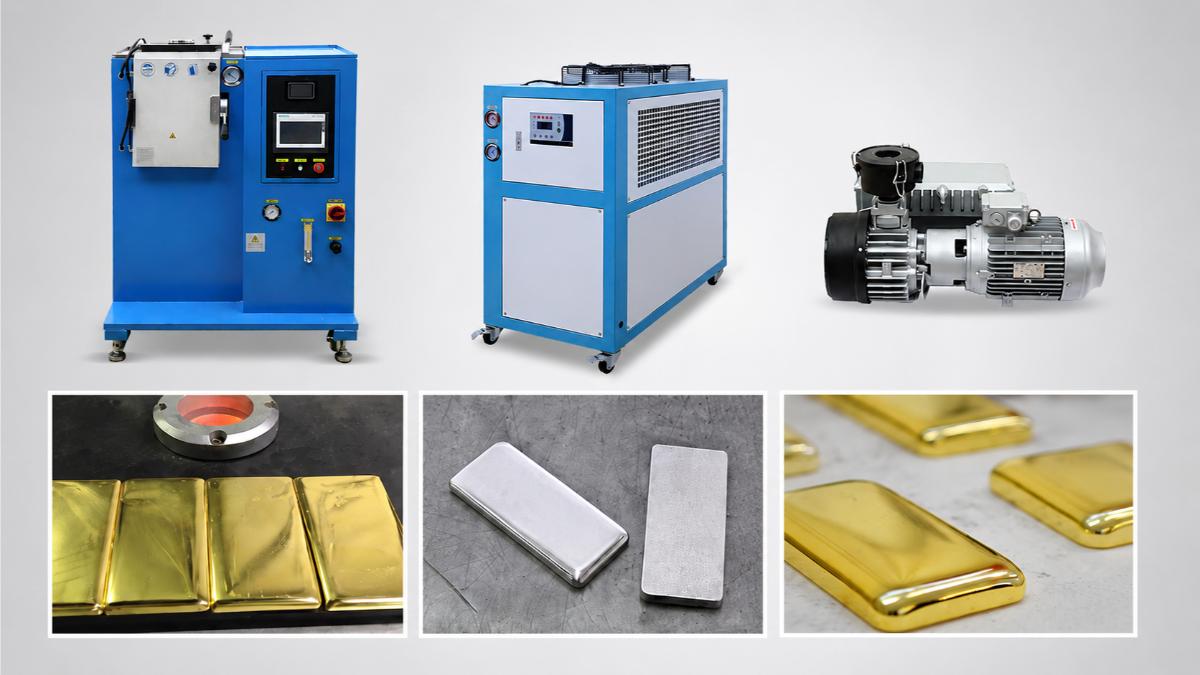
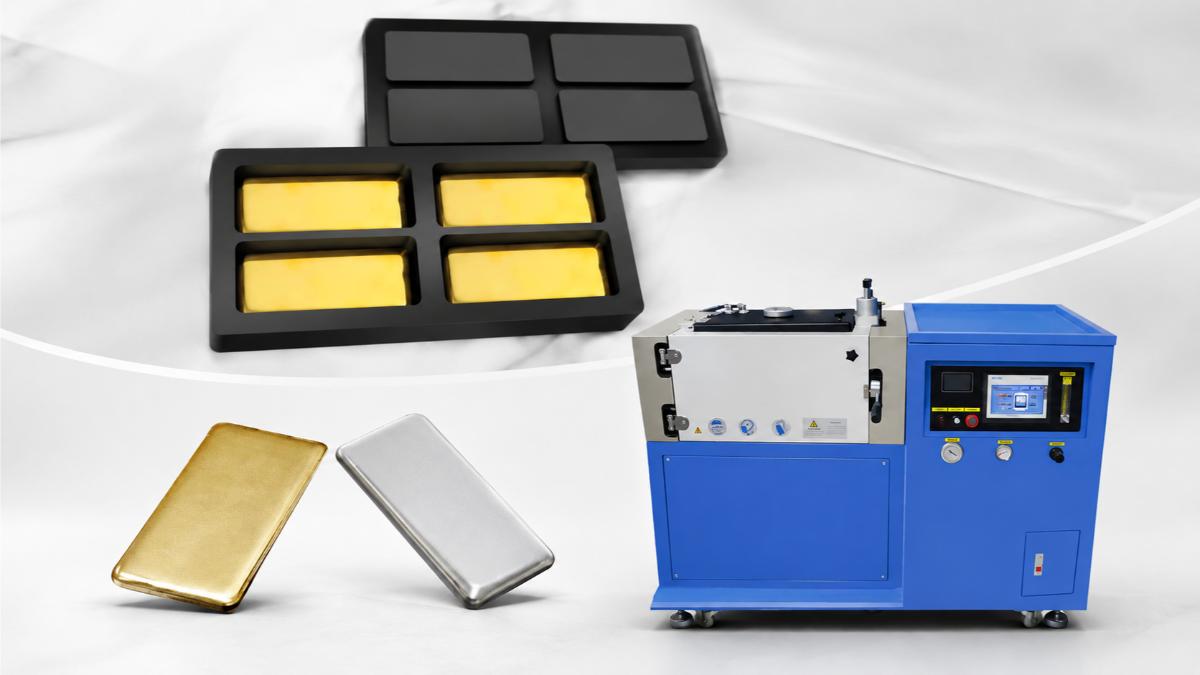
Juyi Vacuum Casting Machine Advantages:
- Integrated smelting and casting design for efficiency
- Vacuum and inert gas protection to prevent oxidation and improve surface quality
- PID temperature control for precise melting
- Magnetic stirring system for uniform alloy composition
- Ideal for gold, silver, copper, and K-gold jewelry casting
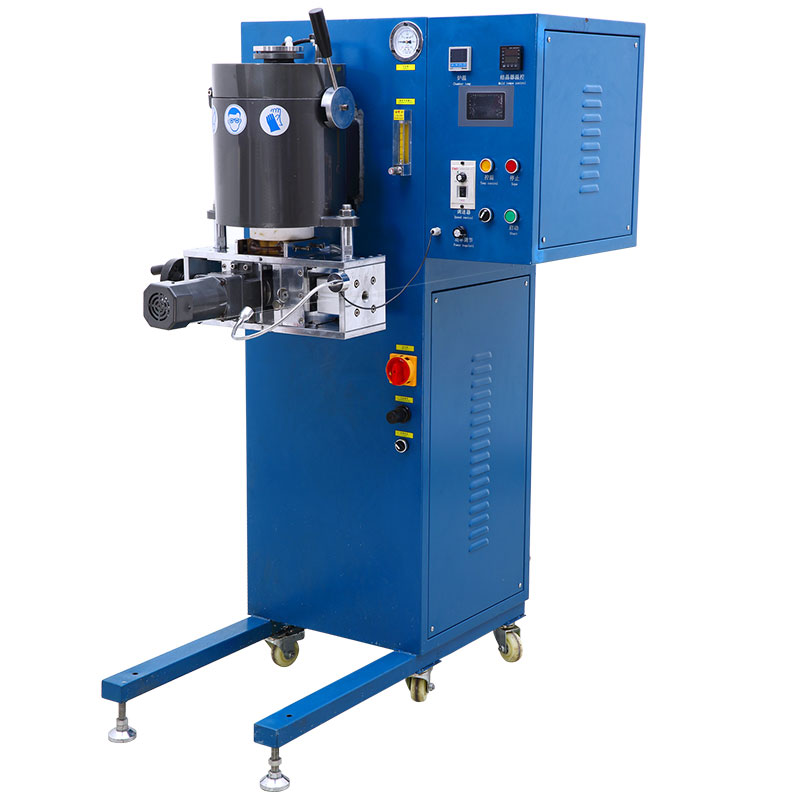
Juyi Continuous Casting Machine Advantages:
- Advanced gravity down-drawing technology for stable and efficient casting
- High-precision crystallizer for smooth and consistent semi-finished products
- Capable of producing sheets, tubes, rods, and wires with uniform quality
- Continuous 24/7 operation with automated process control
- Cost-effective and reliable for jewelry manufacturers and metal refineries
Final Thoughts
Both direct casting and continuous casting are indispensable in modern jewelry and precious metal processing. Direct casting ensures artistic freedom and detail, while continuous casting guarantees industrial-scale efficiency and consistency. By choosing Juyi’s Vacuum Casting Machines and Continuous Casting Machines, manufacturers can achieve the perfect balance of precision, quality, and productivity in their metal casting operations.