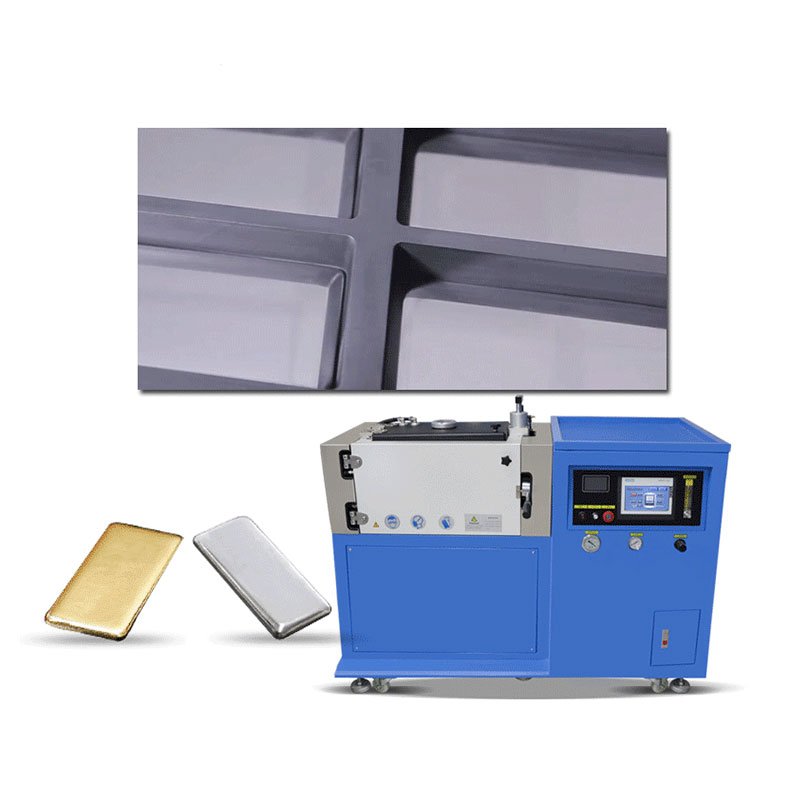
The production of high-quality bullion requires precision, consistency, and advanced technology. A Gold Ingot Casting Machine—also known as a gold bar making machine or gold bar casting machine—is specifically designed to melt, cast, and form precious metals such as gold and silver into standardized investment bars. These machines are widely used by refineries, bullion manufacturers, and jewelry factories to produce bars that meet global market requirements.
So, how exactly does a gold bar making machine work? Let’s break down the process step by step.
1.Metal Melting Process
The first step in gold bullion making is to melt the raw metal. Using an induction heating system, the machine quickly and evenly heats gold, silver, or alloys to their precise melting point. Compared to traditional furnaces, induction heating provides:
- Rapid melting with minimal energy loss.
- Uniform heat distribution for consistent metal quality.
- Controlled atmosphere (vacuum or inert gas) to prevent oxidation and metal loss.
This stage ensures that the molten metal is pure, homogeneous, and ready for casting.
2.Mold Injection and Shaping
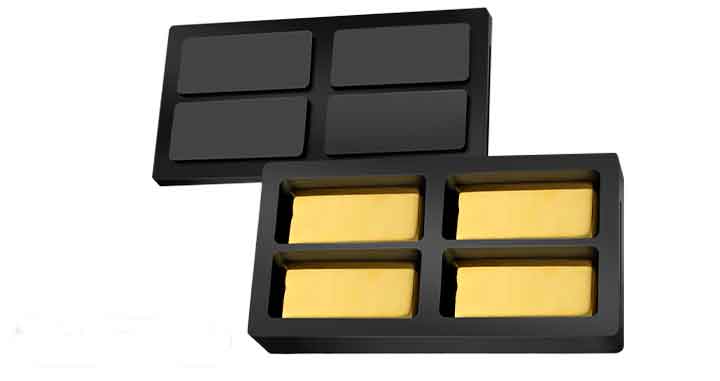
Once the metal is completely melted, it is transferred into precision-engineered molds. Depending on the production requirements, molds can be designed for 1kg, 5kg, 10kg, or even 12.5kg standard gold bars.
The gold bar casting process involves:
- Filling the mold with molten metal under gravity or vacuum pressure.
- Ensuring accurate weight and shape through controlled pouring.
- Preventing air bubbles or impurities by casting in a sealed environment.
This guarantees that every bar meets international weight and dimension standards.
3.Cooling and Demolding
After casting, the bars must be cooled under controlled conditions to solidify properly. Cooling systems vary between water, air, or vacuum-cooled chambers, but the goal remains the same:
- Even solidification to prevent cracks or warping.
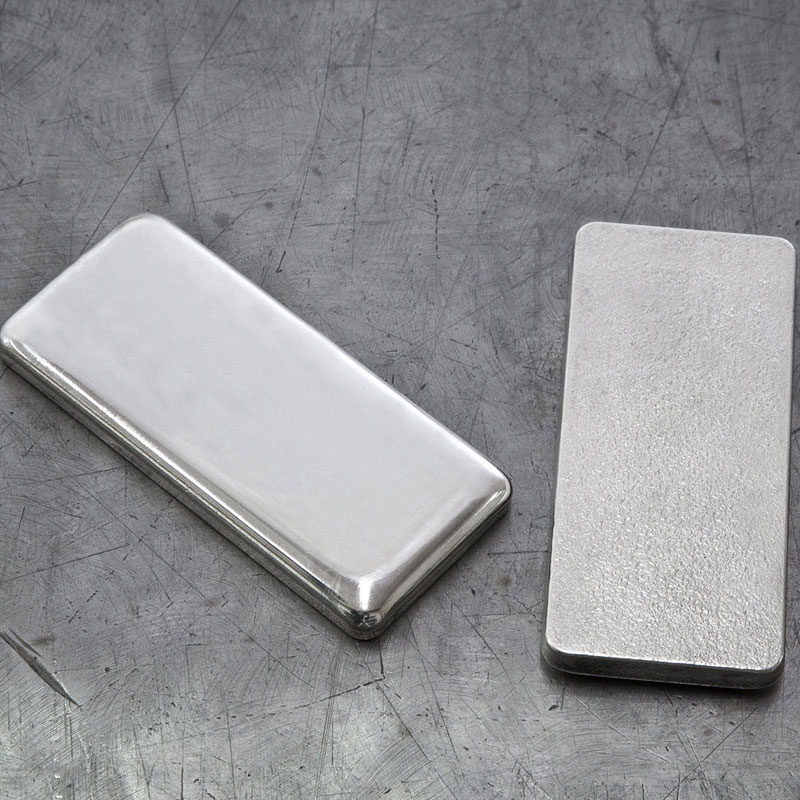
- Smooth surface formation for a flawless finish.
- Reduced porosity for a denser, stronger bar.
Once cooled, the bars are removed from the molds, ready for finishing touches.
4.Final Inspection and Polishing
The last step in gold bar casting is quality control. Each bar undergoes inspection to verify:
- Weight accuracy within strict tolerances.
- Surface quality for smoothness and luster.
- Purity through assaying or certification.
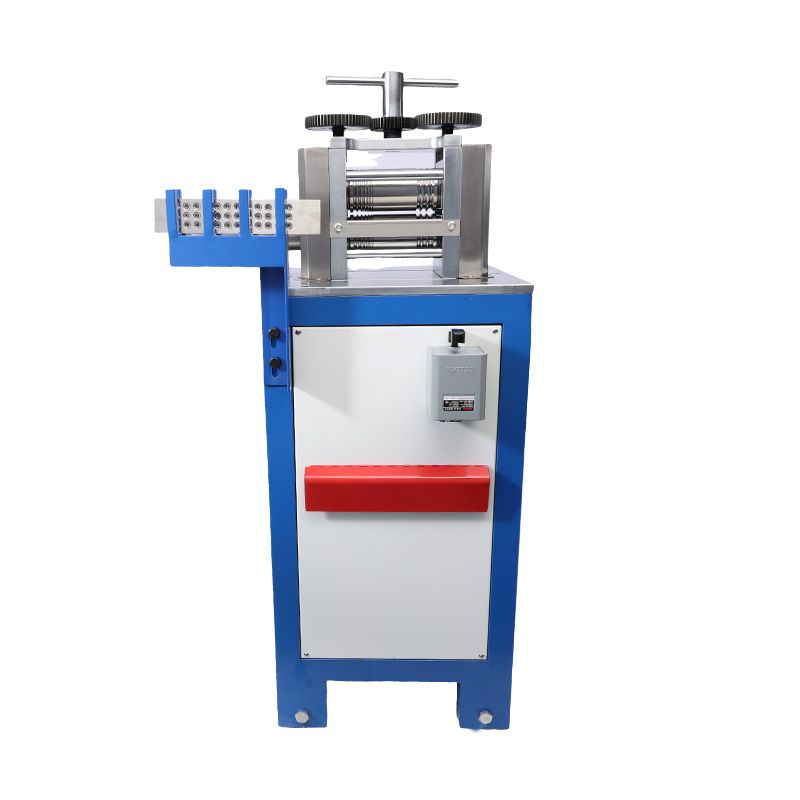
Bars are then polished or stamped with identifying marks such as weight, purity, and refinery logo. At this stage, the bars are officially recognized as investment-grade bullion, suitable for storage, trading, or jewelry production.
5.Juyi Vacuum Gold Ingot Casting Machine
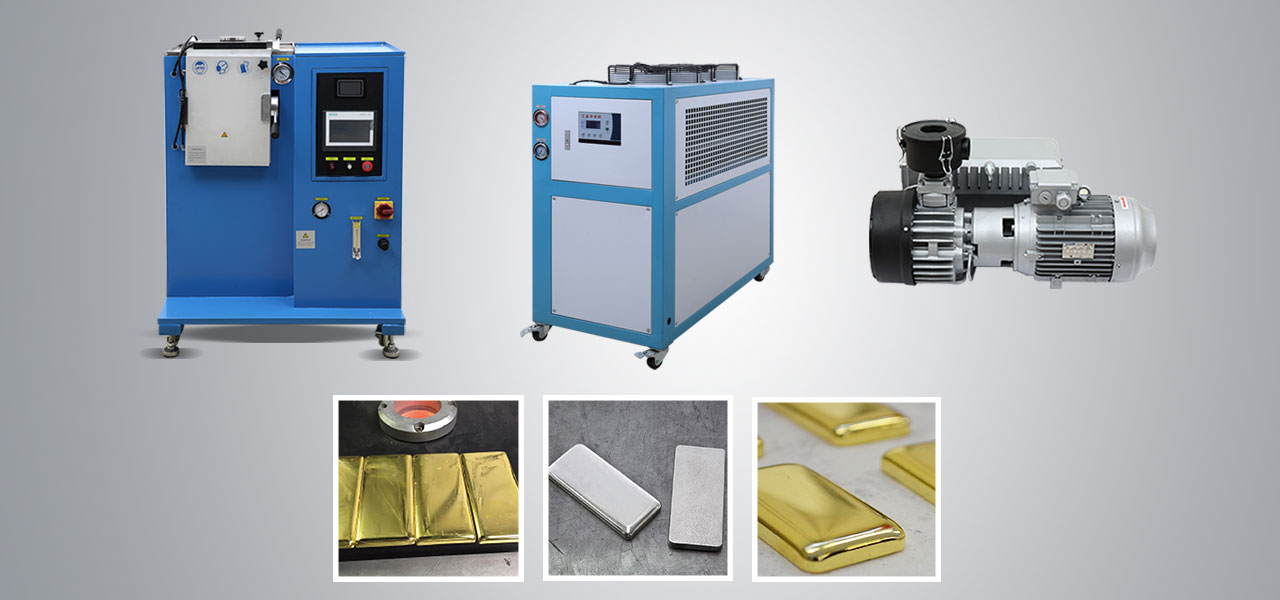
For businesses looking for efficiency and premium results, the Juyi Vacuum Gold Ingot Casting Machine offers state-of-the-art technology. Unlike conventional systems, Juyi integrates induction melting and casting into the same chamber, operating under a full vacuum environment.
Key Advantages of Juyi Gold Bar Making Machine:
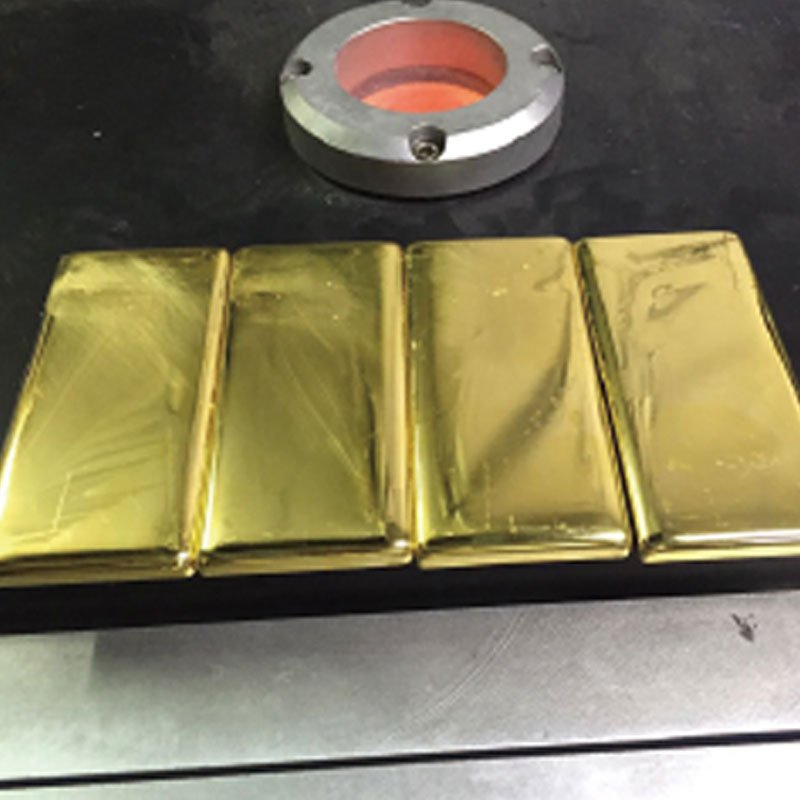
- Vacuum Casting – Prevents oxidation, guaranteeing mirror-like surfaces.
- One-Button Operation – Simple and safe, ideal for both small and large-scale production.
- Integrated Design – Melting and casting occur in the same crucible, improving efficiency.
- Market-Ready Bars – Produces flawless gold and silver bullion that can be traded directly on the market without further finishing.
With Juyi’s vacuum gold bar casting solution, manufacturers can achieve high precision, outstanding efficiency, and superior product quality—making it a trusted choice for professional gold bullion making and silver bar casting.