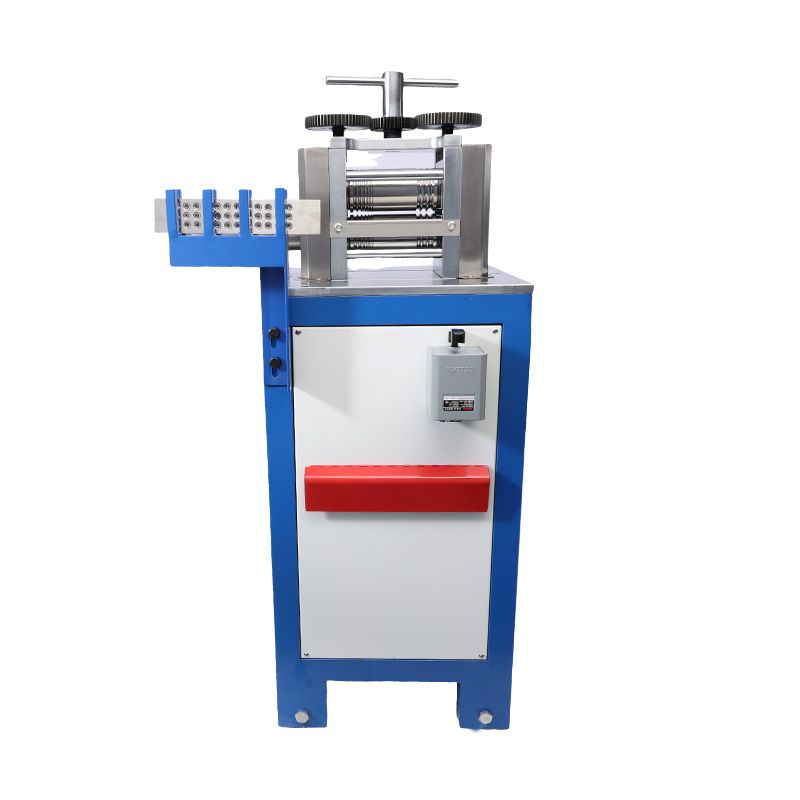
A wire rolling machine is an essential piece of equipment in precious metal processing, widely used for shaping gold and silver into precise wires and strips for jewelry making, coin production, and industrial applications. Unlike casting, wire rolling allows metals to be formed with high dimensional accuracy, smooth surface finish, and consistent mechanical properties.
This article explains how gold wire rolling and silver wire rolling work, what machines are involved, and why a precious metal rolling mill is critical for professional results.
What Is a Wire Rolling Machine?
A wire rolling machine is a type of precious metal rolling mill designed to reduce the cross-section of metal by passing it through a pair of hardened rollers. By gradually decreasing the roller gap, gold or silver can be transformed from rods or strips into uniform wires with controlled thickness and width.
Wire rolling is commonly used after:
- Metal melting and casting
- Continuous casting or bar casting
- Preliminary strip rolling
How Does Gold and Silver Wire Rolling Work?
Step 1: Material Preparation
Gold or silver is first melted and cast into bars or rods. These semi-finished materials are cleaned and annealed before rolling to ensure optimal ductility.
Step 2: Rolling Through Precision Rollers
The metal is fed into the rolling mill, where hardened rollers apply uniform pressure. Each pass slightly reduces the thickness or diameter, preventing cracks and internal stress.
For gold wire rolling, precise control is essential due to gold’s softness. Silver, while harder, also requires stable rolling pressure to maintain surface quality.
Step 3: Annealing Between Passes
As precious metals work-harden during rolling, intermediate annealing is often required. This restores ductility and ensures smooth deformation in subsequent passes.
Step 4: Final Wire or Strip Output
After multiple rolling stages, the metal reaches the desired wire diameter or strip thickness, ready for:
- Jewelry fabrication
- Coin blank cutting
- Further wire drawing
Wire Rolling vs Wire Drawing: What’s the Difference?
Wire Rolling: Reduces size using rollers, ideal for shaping strips and medium-diameter wires.
Wire Drawing: Pulls metal through dies, suitable for very fine wires.
In professional workshops, wire rolling and wire drawing are often combined to achieve both efficiency and precision.
Why a Professional Precious Metal Rolling Mill Matters
Using a dedicated precious metal rolling mill offers key advantages:
- Accurate thickness control
- Smooth surface finish
- Reduced material loss
- Higher production efficiency
- Better consistency for gold and silver alloys
For manufacturers working with high-value materials, precision and reliability are critical.
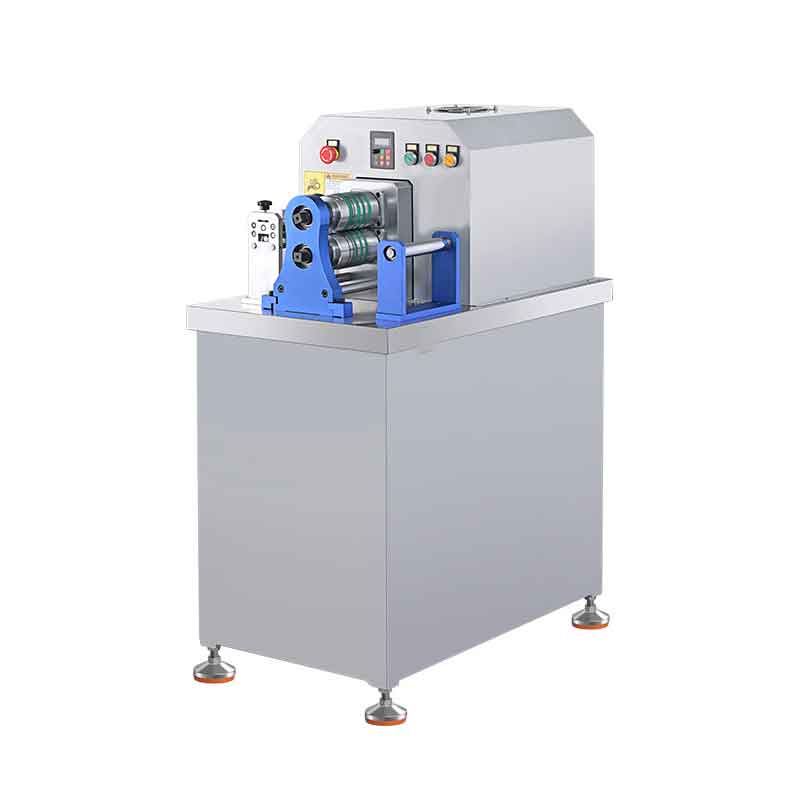
Recommended Solution: JUYI Multifunction Wire Rolling Machine (3-in-1)
For workshops and factories processing gold and silver, JUYI offers a multifunction wire rolling machine that integrates:
- Wire Rolling
- Strip Rolling
- Wire Drawing
All in one machine.
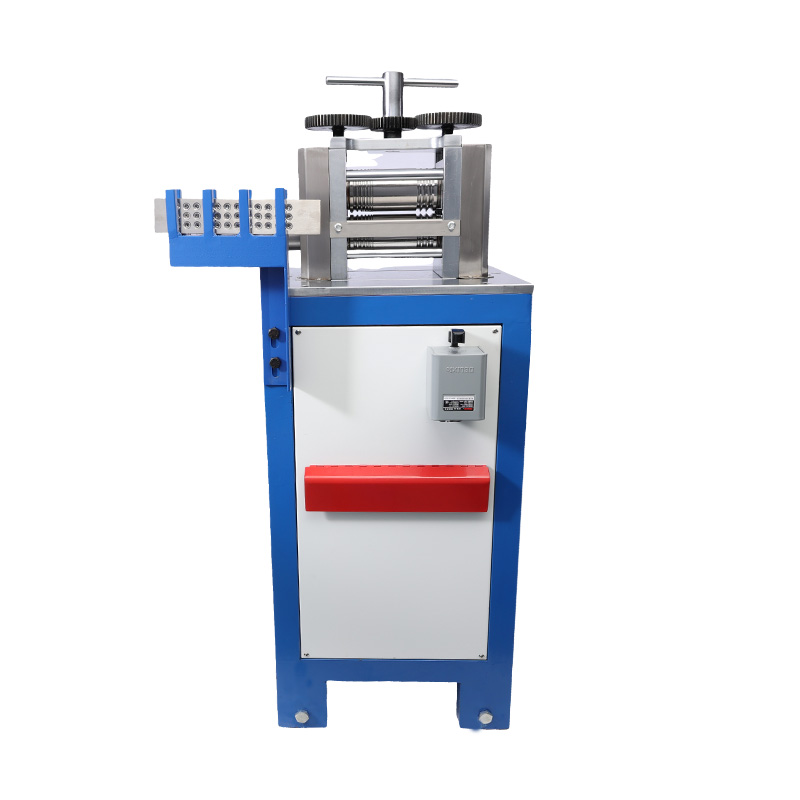
Key Advantages:
- One machine for multiple processes, saving space and cost
- High-strength rollers designed for precious metals
- Stable pressure control for gold wire rolling
- Suitable for gold, silver, copper, and alloys
- Ideal for jewelry production, coin making, and bullion processing
This all-in-one design makes JUYI’s machine a practical and efficient choice for professionals seeking flexibility without compromising precision.
Conclusion
Understanding how a wire rolling machine works for gold and silver is essential for achieving consistent quality in precious metal products. From material preparation to final wire formation, each step relies on accurate rolling control and reliable equipment.
By choosing a high-quality precious metal rolling mill, such as the JUYI multifunction wire rolling, strip rolling, and wire drawing machine, manufacturers can streamline production and ensure superior results across multiple applications.