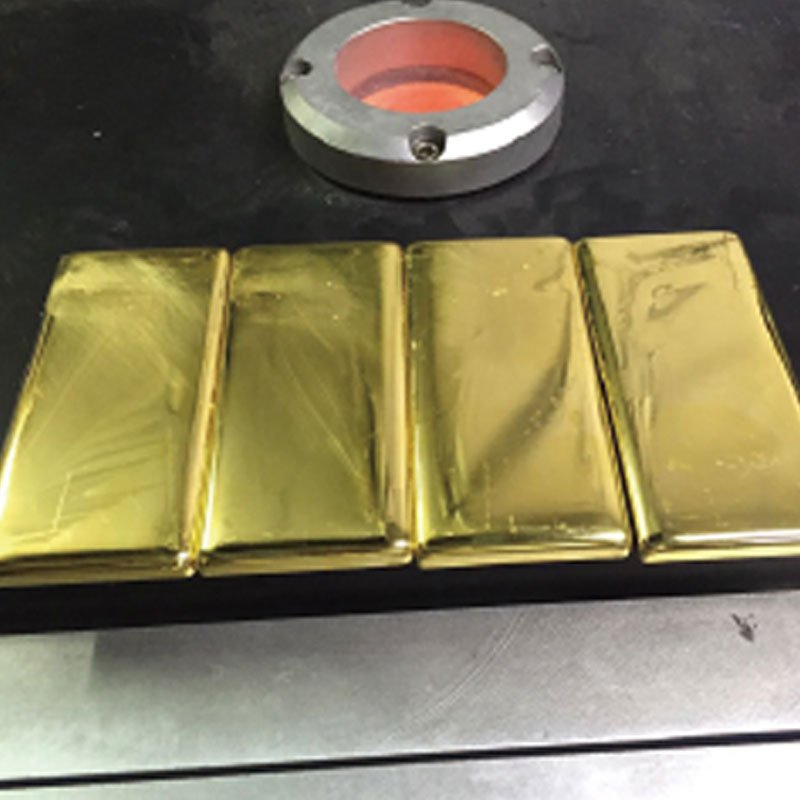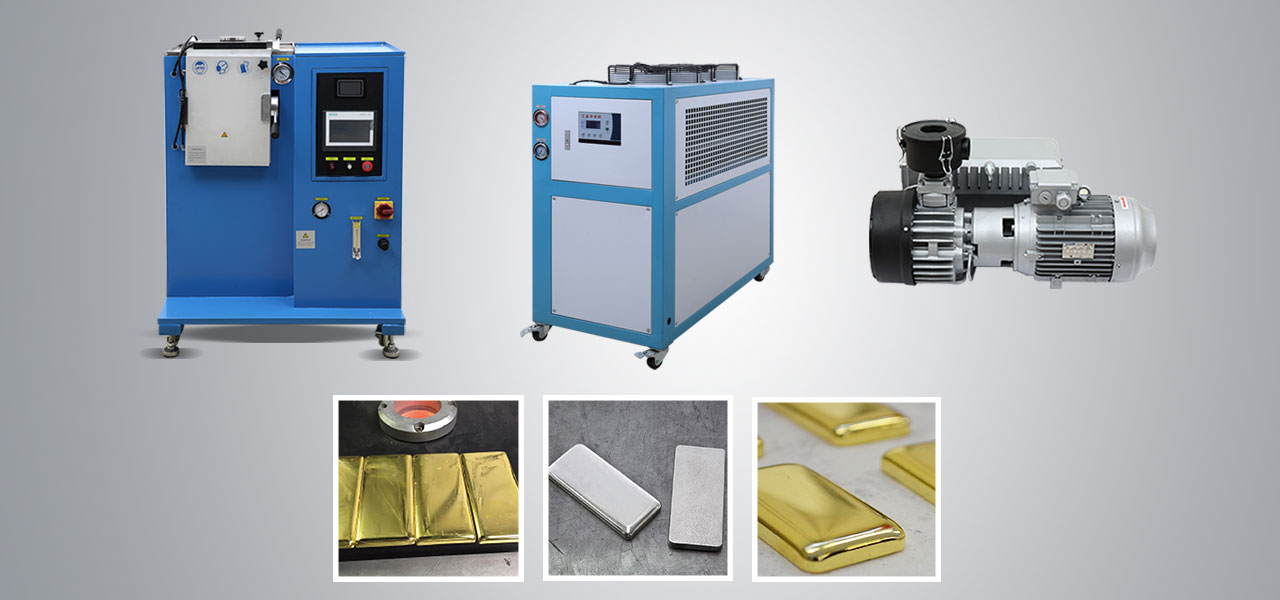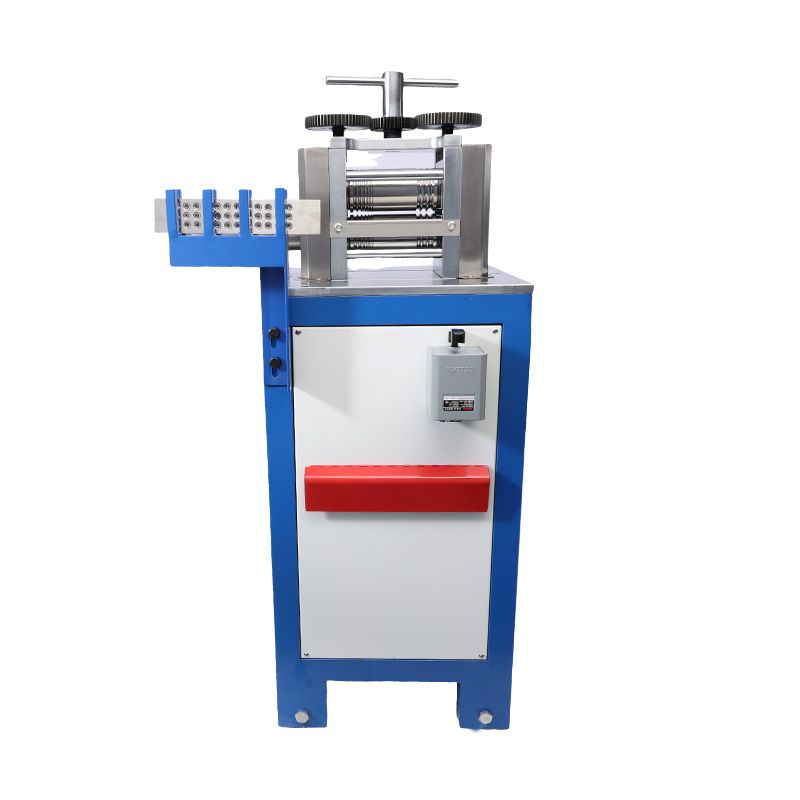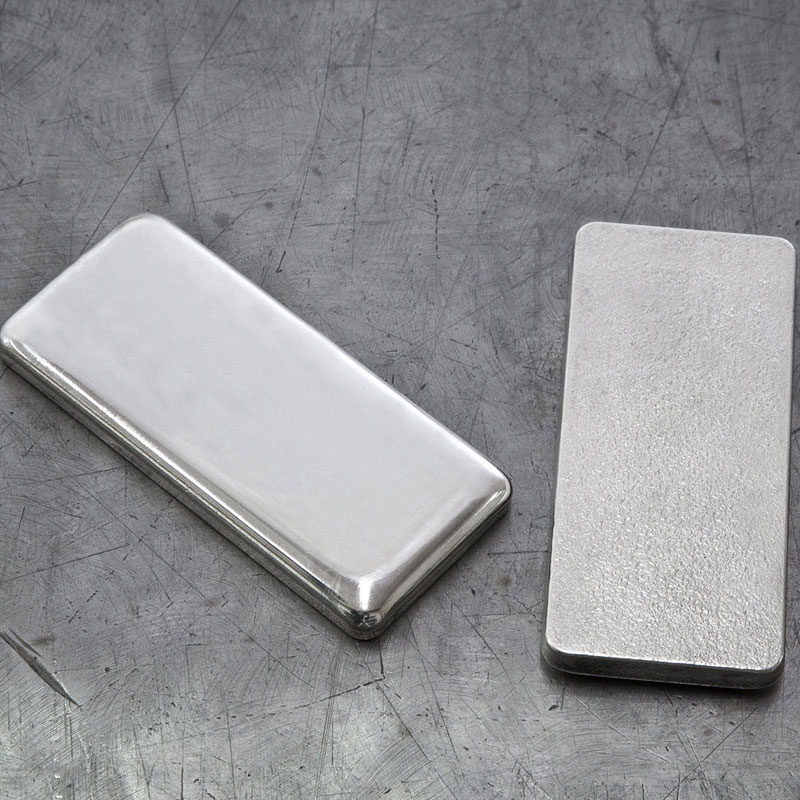
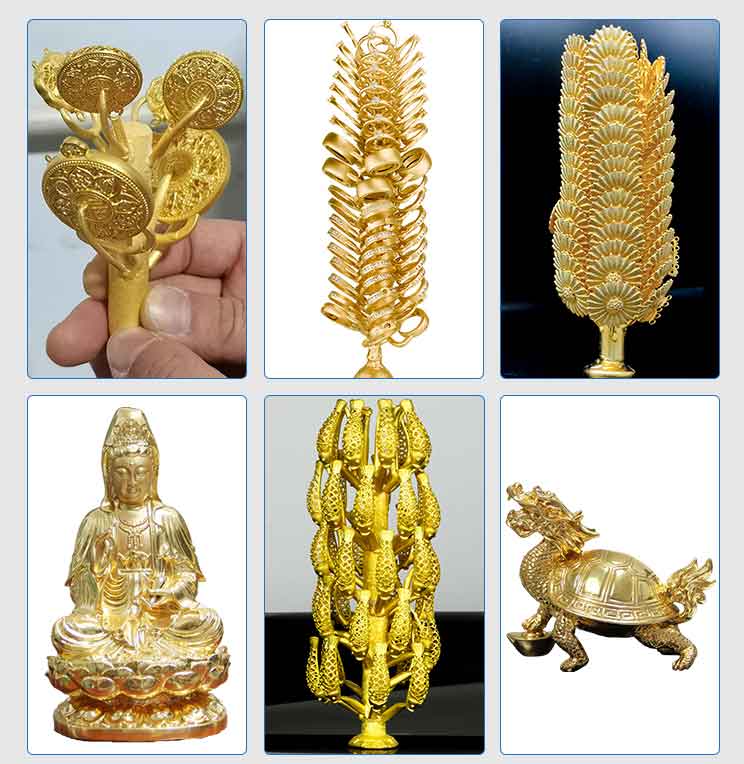
In the ever-evolving world of jewelry manufacturing, precision, efficiency, and quality are paramount. The Full Automatic Vacuum Casting Machine is transforming traditional methods by integrating advanced technology with centuries-old craftsmanship. Central to this innovation is the vacuum lost-wax casting process, a technique that combines fine detail reproduction with the structural integrity required in high-end jewelry.
What is Vacuum Lost-Wax Casting?
Vacuum lost-wax casting is a refined version of the traditional investment casting method, specially optimized for precious metal jewelry. It involves creating a detailed wax model of the desired piece, forming a ceramic mold around it, removing the wax through controlled heating (dewaxing), and then filling the mold with molten metal under vacuum conditions. This process allows for extremely precise replication of fine details, minimal porosity, and superior surface finish.
Unlike open-air casting, vacuum casting significantly reduces air bubbles and oxidation, resulting in stronger, cleaner, and more reliable final products — ideal for high-value metals like gold, silver, platinum, and palladium.
Advantages of Vacuum Casting in Jewelry Manufacturing
- ✅ Enhanced Metal Flow and Filling: The vacuum environment ensures complete filling of the mold, especially in intricate and thin-walled designs.
- ✅ Reduced Porosity and Shrinkage: Eliminates air entrapment and reduces micro-defects, leading to stronger and longer-lasting jewelry.
- ✅ Cleaner Surface Finish: Minimizes oxidation and impurities, reducing the need for extensive post-processing or polishing.
- ✅ Increased Production Efficiency: Automation shortens production time, increases repeatability, and lowers labor dependency.
- ✅ High Material Yield: Precision melting and casting reduce metal loss, which is vital when working with expensive materials.
Step-by-Step Overview of the Vacuum Lost-Wax Casting Process
- Wax Pattern Creation
Using wax injection machines, designers inject molten wax into silicone or rubber molds to create detailed wax replicas of the jewelry design. - Wax Tree Assembly
Multiple wax models are attached to a central wax stem (called a tree), allowing many pieces to be cast in one cycle. - Investment Molding
The wax tree is placed in a metal flask and covered with investment powder (usually gypsum-based). The flask is then vacuumed to remove air bubbles before setting. - Vacuum Dewaxing
The flask is transferred to a dewaxing machine, where heat and vacuum pressure melt and extract the wax without damaging the mold. This step ensures minimal internal stress and avoids cracks in the mold. - Burnout and Preheating
The dewaxed flask is placed into a burnout furnace, gradually heating to high temperatures (typically 700–900°C) to remove any wax residue and strengthen the ceramic mold. - Vacuum Casting
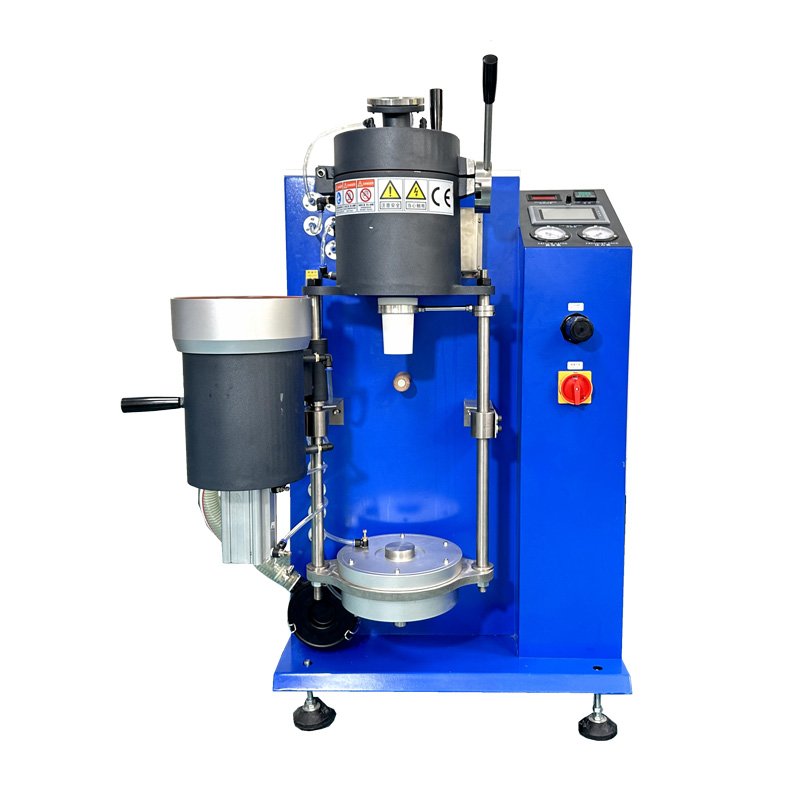
Molten metal is prepared in the Full Automatic Vacuum Casting Machine, which:1.Melts the metal under controlled inert gas or vacuum environment.2.Automatically lifts the hot flask into the casting chamber. 3.Fills the mold using vacuum suction and optional centrifugal or pressure-assist methods for optimal flow. - Cooling and Flask Breakout
After casting, the flask is allowed to cool, and the investment mold is broken away to reveal the raw metal tree. - Cutting and Finishing
Individual jewelry pieces are cut from the tree and undergo polishing, grinding, and surface treatment before reaching final form.
Key Equipment Used in the Process
| Equipment | Function |
|---|---|
| Wax Injection Machine | Forms detailed wax models using molds. |
| Vacuum Mixer (for investment) | Mixes investment powder under vacuum to eliminate air bubbles. |
| Vacuum Investment Casting Chamber | Removes trapped air from the filled flask to ensure a dense investment mold. |
| Wax Burnout Furnace/Vacuum Dewaxing Machine | Heats flasks to remove residual wax and cure the ceramic mold. |
| Full Automatic Vacuum Casting Machine | Melts metal, injects it into the mold under vacuum, and automates the process. |
| Water Jet or Sandblaster | Cleans the surface of the cast metal after mold removal. |
| Polishing and Finishing Machines | Finalizes the piece with shine, texture, or plating. |
Conclusion
The Full Automatic Vacuum Casting Machine represents a major leap forward in jewelry production. By integrating automation, precision controls, and vacuum technology into one system, it dramatically improves product quality while reducing manual errors and material waste. Paired with the vacuum lost-wax casting process, it unlocks unparalleled possibilities in the design and production of fine jewelry — from intricate filigree to bold statement pieces.
As consumer demand shifts toward higher quality and customization, adopting vacuum casting technology is no longer an option, but a strategic necessity for modern jewelry manufacturers.