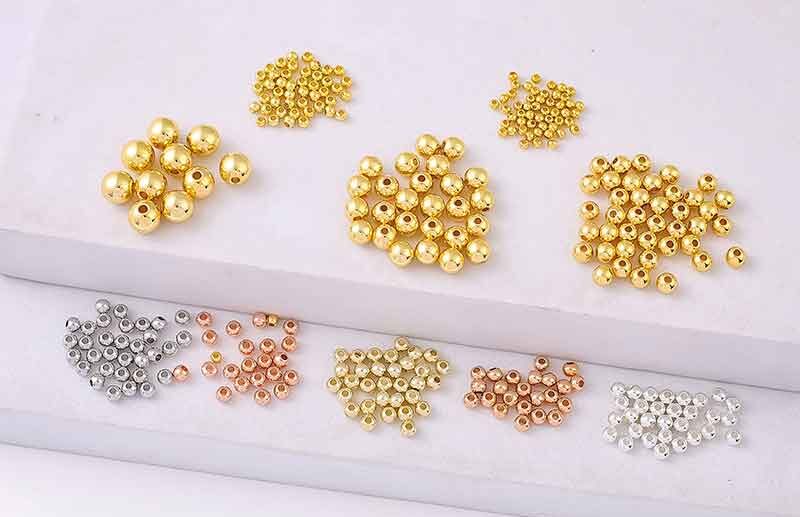
Professional Jewelry Beads Making: Machines, Processes & Techniques
Beads are a fundamental element in jewelry design, used in bracelets, necklaces, rings, and decorative pieces. Producing high-quality metal beads requires precise forming, shaping, and finishing. JUYI offers a comprehensive Metal Bead Forming Solution, providing reliable machines and streamlined processes for jewelers and manufacturers.
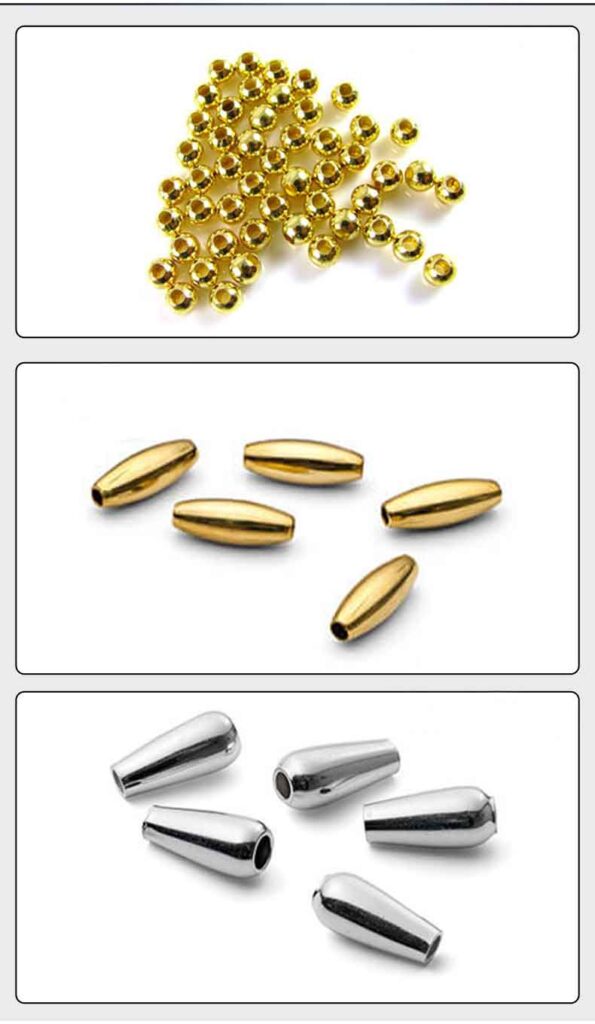
Step 1: Raw Material Preparation
Metal beads are typically made from gold, silver, copper, or alloys. The process starts with:
- Selecting and cutting wire, sheet, or rod to the required dimensions
- Ensuring consistent material quality for uniform bead formation
Step 2: Bead Forming Machines
JUYI provides specialized bead forming machines that shape metal into round, hollow, or custom beads. Key features include:
- Precision Forming: Machines create uniform sizes and smooth surfaces
- Multi-Function Capabilities: Some machines can roll, punch, or mold beads in a single workflow
- Adjustable Settings: Diameter, thickness, and hollow depth can be customized according to design requirements
Step 3: Hollow Bead Formation (Optional)
For hollow beads, JUYI machines can:
- Stretch or mold metal sheets or tubes into precise hollow spheres
- Ensure consistent wall thickness and smooth surfaces
- Maintain structural integrity for durability
Step 4: Polishing and Finishing
After forming, beads undergo polishing to achieve mirror-like surfaces:
- Removes minor defects or burrs
- Enhances luster for aesthetic appeal
- Prepares beads for plating, gemstone setting, or assembly
Advantages of JUYI Bead Making Solutions
- High Precision: Uniform bead size, shape, and finish
- Versatility: Suitable for solid or hollow beads, various metals, and custom designs
- Efficiency: Automated or semi-automated machines increase production speed
- Durability: Machines built for long-term industrial use
- Customization: Adjustable parameters to meet design and market requirements
Applications
- Jewelry manufacturing: bracelets, necklaces, earrings
- Decorative and fashion accessories
- Custom or mass-production bead lines
- Combination with other jewelry forming processes such as chain making or wire drawing
Conclusion
JUYI’s Metal Bead Forming Solution offers jewelers and manufacturers a professional, precise, and efficient workflow for creating high-quality beads. Whether producing solid or hollow beads for luxury jewelry or mass-market products, JUYI machines ensure consistency, durability, and exceptional finish.
👉 Contact JUYI today to explore our full range of bead making machines and start producing premium-quality jewelry beads with ease.