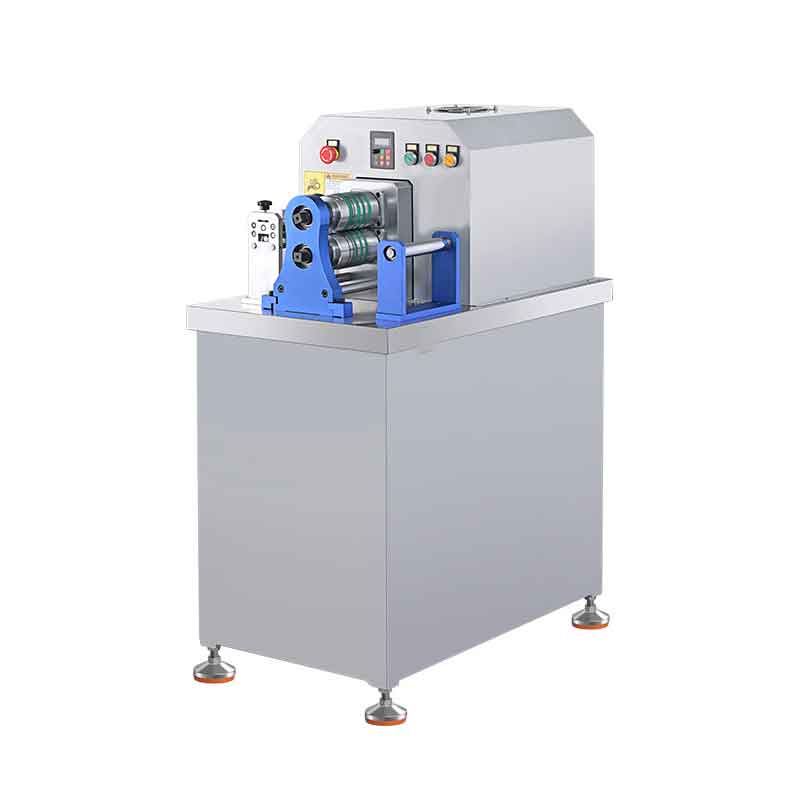
Platinum is one of the most valuable and technically challenging precious metals to process. While its excellent ductility and corrosion resistance make it ideal for high-end jewelry and industrial applications, rolling platinum wire without cracking remains a common pain point for manufacturers.
Cracking during rolling not only increases material loss but also compromises wire quality and downstream forming processes. This article explains why platinum cracks, how to prevent it, and how JUYI’s precision rolling and auxiliary equipment provide a complete, reliable solution.
Why Platinum Wire Cracks During Rolling
Despite its toughness, platinum has unique metallurgical characteristics that require strict process control:
- Work Hardening Occurs Rapidly
Platinum hardens quickly during deformation. Without timely annealing, internal stress accumulates, leading to surface and internal cracks. - Improper Reduction Ratio
Excessive thickness reduction per pass places extreme strain on the metal lattice, exceeding platinum’s plastic deformation limit. - Insufficient Annealing Control
Uneven temperature, oxidation, or incomplete recrystallization during annealing can leave residual stress zones. - Poor Roller Precision or Surface Finish
Rollers with inadequate hardness, poor alignment, or surface defects can introduce micro-cracks that propagate during rolling.
Key Principles for Rolling Platinum Wire Successfully
To roll platinum wire smoothly and consistently, the following principles are essential:
✔ Gradual Reduction Strategy
Limit reduction per pass (typically 5–10%)
Increase rolling passes rather than force deformation
✔ Frequent Intermediate Annealing
Anneal whenever hardness increases noticeably
Ensure uniform temperature and controlled atmosphere
✔ High-Precision Rolling Equipment
Stable roller gap control
JUYI Professional Solutions for Platinum Wire Rolling
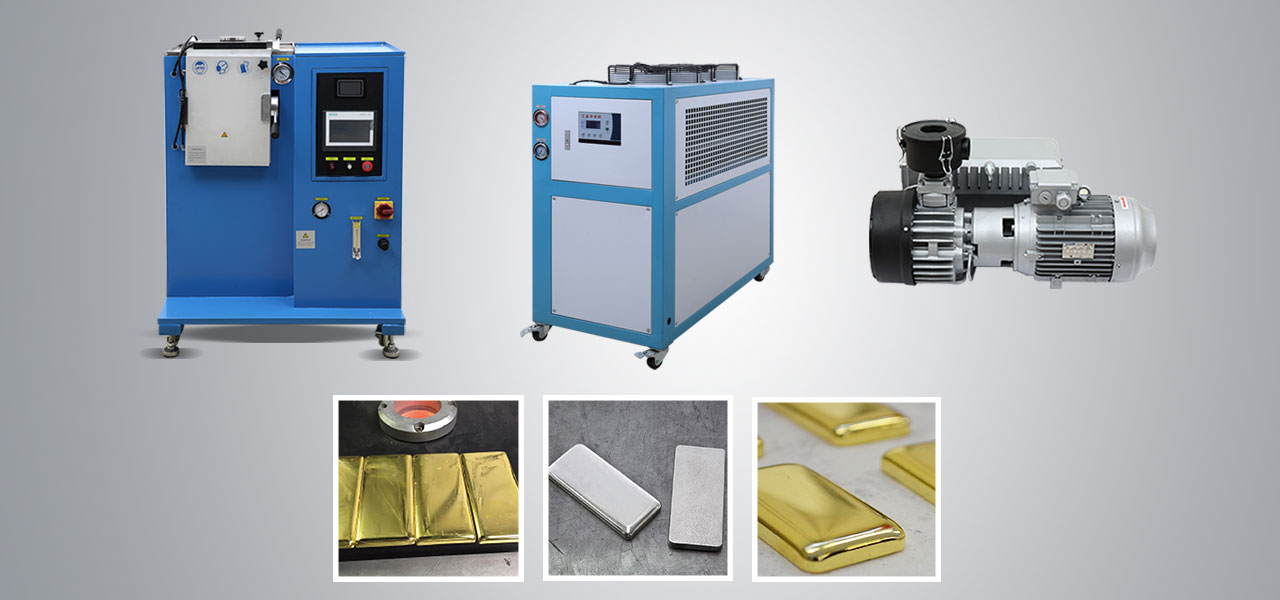
With decades of experience in precious metal equipment manufacturing, JUYI provides a complete, integrated solution for platinum wire production, from melting to final rolling.
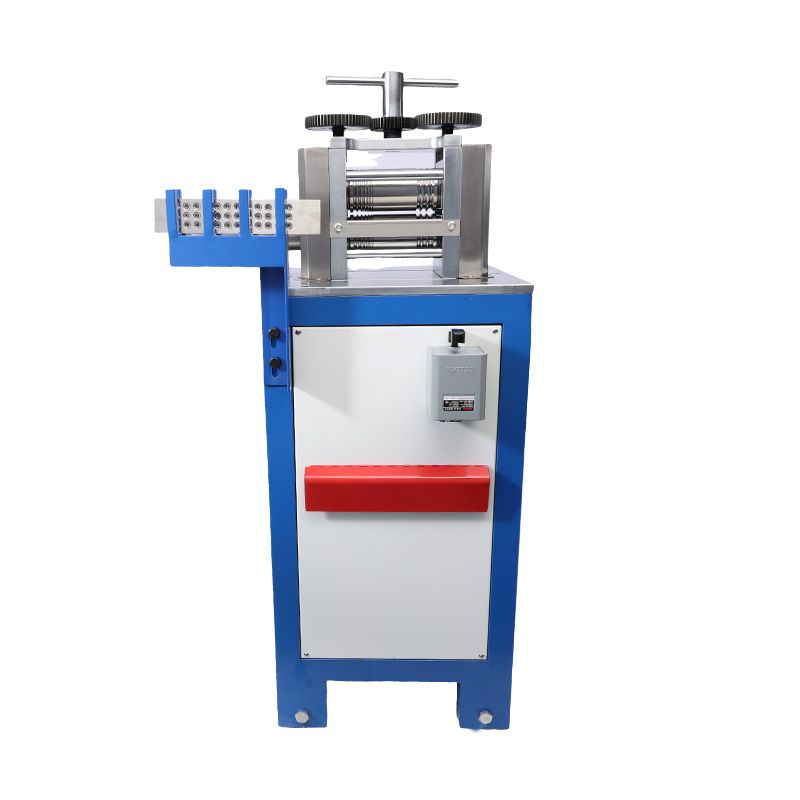
🔹 JUYI High-Precision Rolling Machine with Wire Drawing Device
Designed specifically for precious metals such as platinum, gold, silver, and palladium, this machine ensures stable deformation and excellent surface quality.
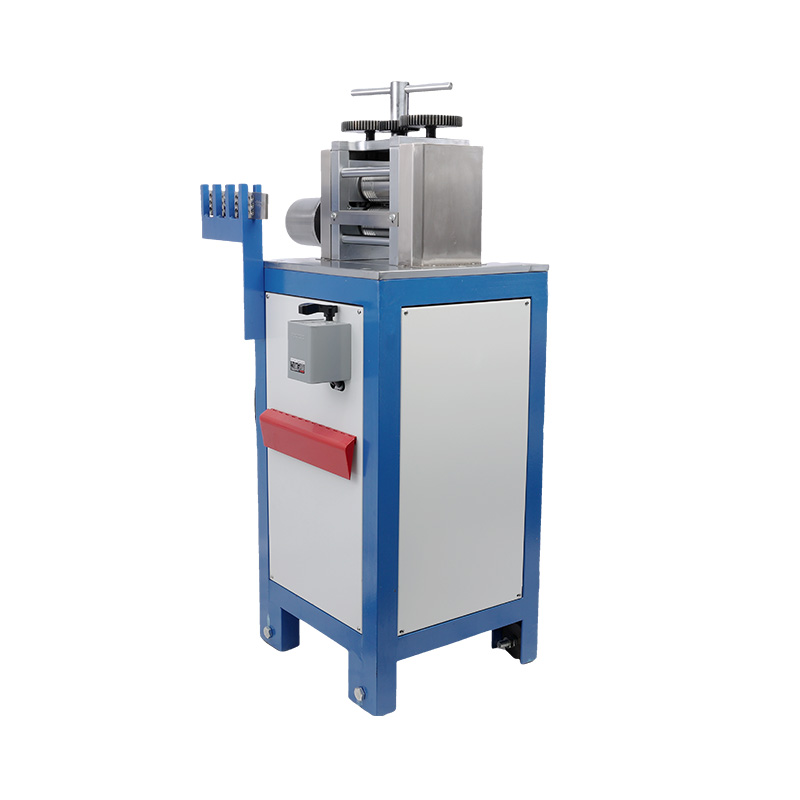
Key Advantages:
- DC53 / high-alloy hardened rollers for extreme wear resistance
- Micron-level roller gap adjustment for precise reduction control
- Stable transmission system to prevent vibration-induced cracking
- Integrated wire drawing function for seamless size reduction
Application:
Ideal for rolling platinum wire from rod to fine wire while maintaining structural integrity.
🔹 JUYI Annealing & Thermal Process Support (Optional Integration)
While JUYI rolling machines focus on deformation accuracy, they are designed to work seamlessly with:
- Controlled-atmosphere annealing furnaces
- Precise temperature feedback systems
- Automated rolling + annealing workflows
This integration ensures optimal recrystallization cycles, critical for platinum processing.
Why Choose JUYI for Platinum Processing?
✔ Specialized in precious metal equipment
✔ Proven performance in platinum, gold, and silver applications
✔ High-precision mechanical design for crack-sensitive metals
✔ Customizable solutions based on wire diameter and production scale
✔ Trusted by jewelry manufacturers, refineries, and industrial users worldwide
Conclusion
Rolling platinum wire without cracking is not just about technique—it requires precision equipment, controlled processes, and deep material understanding. By combining proper rolling strategies with JUYI’s high-precision rolling and wire drawing machines, manufacturers can significantly reduce defects, improve yield, and produce premium-quality platinum wire consistently.
JUYI is committed to delivering reliable, professional solutions for the most demanding precious metal applications.